
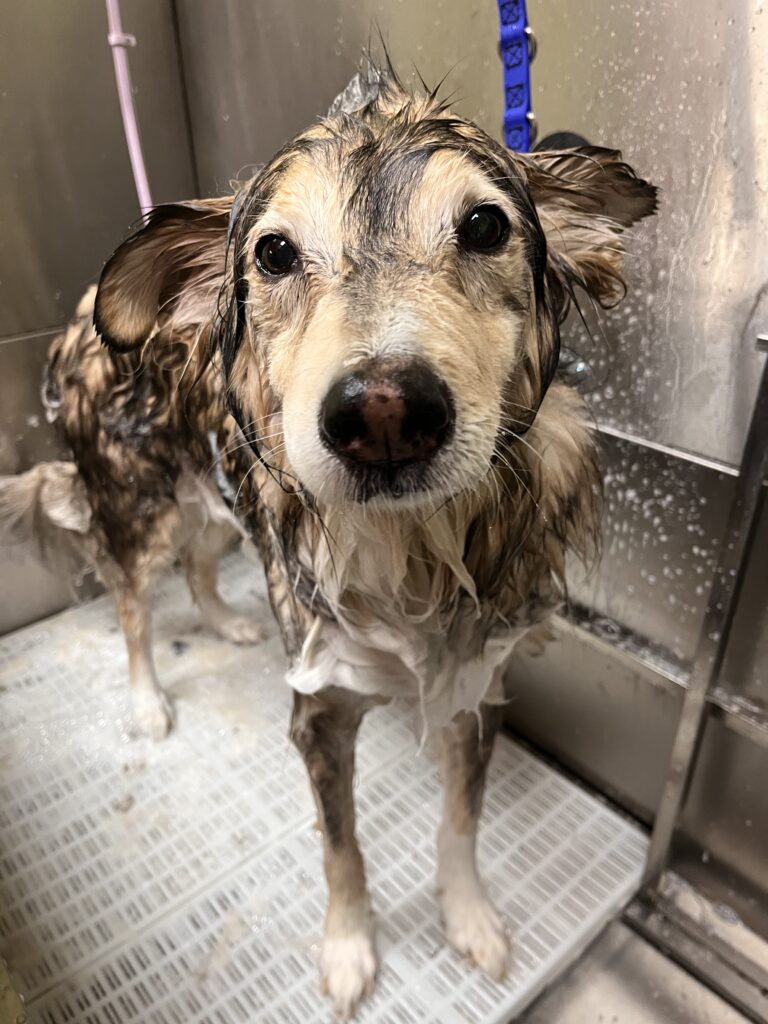
One of the most common questions we hear in the shop is:
“What shampoo should I use if my dog is itchy?”
What often gets overlooked is the most important step—figuring out why your dog is itchy in the first place.
We regularly see dogs who have tried multiple shampoos with no improvement or irritation that keeps coming back. In many cases, the issue isn’t the shampoo brand—it’s that the shampoo doesn’t match the skin problem.
Before switching products, you need a clear look at what’s happening on the skin.
Step One: Look at the Skin (Before Buying Anything)
Gently part your dog’s coat and examine the skin underneath. This simple step can prevent weeks of trial and error.
Important note: We are professional dog groomers, not veterinarians. We cannot diagnose medical conditions. If you’re unsure, the safest option is always to consult your veterinarian—especially if symptoms are severe, spreading, or persistent.
That said, most itchy dogs we see fall into a few common categories.
The Most Common Reasons Dogs Are Itchy
1. Fleas
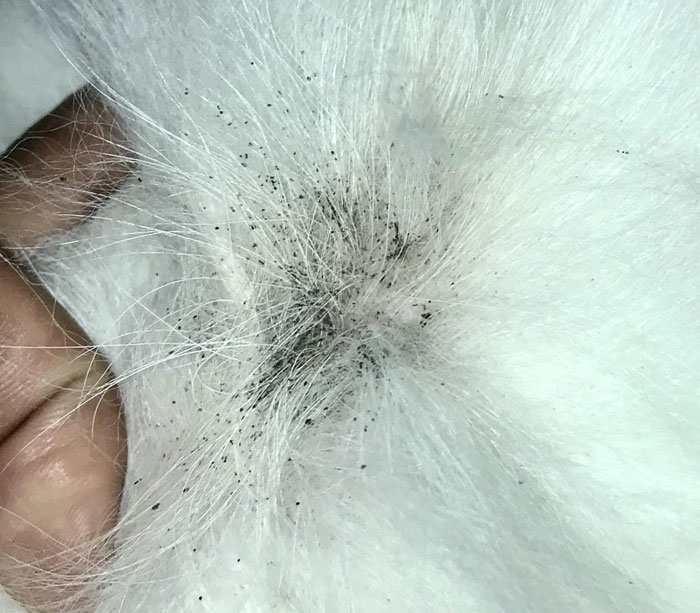
Fleas are easy to miss. You may not see live fleas, but you might notice flea dirt (small black specks that turn reddish when wet).
Groomer recommendation:
In this case, a flea shampoo is necessary. This is the one exception to our usual medicated shampoo line.
For fleas, we recommend:
- Bio-Groom (our top choice)
- TropiClean (a solid, more budget-friendly option)
Bio-Groom is ideal, but both are brands we trust and regularly recommend. TropiClean is often easier to find and more affordable, while Bio-Groom frequently runs sales and is worth grabbing when you see it at a good price.
2. Allergies
Allergies may come from food, environmental triggers, or seasonal changes.
What it usually looks like:
- Red or pink skin
- Excessive licking or chewing
- No strong odor
- Irritation without infection
Groomer recommendation:
A fragrance-free, hypoallergenic medicated antiseptic & antifungal shampoo designed to calm sensitive skin.
3. Yeast Overgrowth
Yeast issues are extremely common and often mistaken for “just allergies.”
What it usually looks like:
- Strong musty or corn-chip smell
- Yellowish, flaky buildup
- Greasy coat
- Common around the ears, paws, armpits, and groin
Groomer recommendation:
A medicated antifungal shampoo, typically containing ketoconazole. Hypoallergenic shampoos alone will not address yeast.
4. Bacterial Skin Issues
These may occur alone or alongside allergies.
What it usually looks like:
- Scabs or crusty patches
- Red bumps
- Oozing or irritated areas
Groomer recommendation:
An Antiseptic & Antifungal shampoo, used exactly as directed.
5. Hot Spots (Localized Irritation)
What it usually looks like:
- One or two very inflamed patches
- Hair loss in a specific area
- Sudden onset
Groomer recommendation:
A targeted hot spot relief shampoo. Worsening or spreading hot spots should always be evaluated by a vet.
6. Parasites (Less Common, But Important)
Certain skin parasites do not respond to typical shampoos and often require veterinary testing. This is often the next step when a dog is extremely itchy, and nothing has worked.
It’s not common, but it does happen—and it’s worth checking if itching is severe or ongoing.
Groomer recommendation:
A targeted antiparasitic & antiseborrheic medicated shampoo
7. Ringworm
Ringworm is a fungal skin condition.
What it usually looks like:
- Red, circular patches
- Flaky skin
- Localized hair loss around the area
Groomer recommendation:
A medicated antiseptic & antifungal shampoo can be helpful, but confirmation from a vet is important to ensure proper treatment.
Why Using the Wrong Shampoo Can Make It Worse
Not all shampoos serve the same purpose.
- Using a hypoallergenic shampoo on yeast or ringworm won’t resolve itching
- Using medicated shampoo unnecessarily can dry or irritate the skin
- Switching products too often can disrupt the skin barrier
This doesn’t happen every time—but it can. Matching the shampoo to the cause matters.
Our Go-To Grooming Shampoo Line
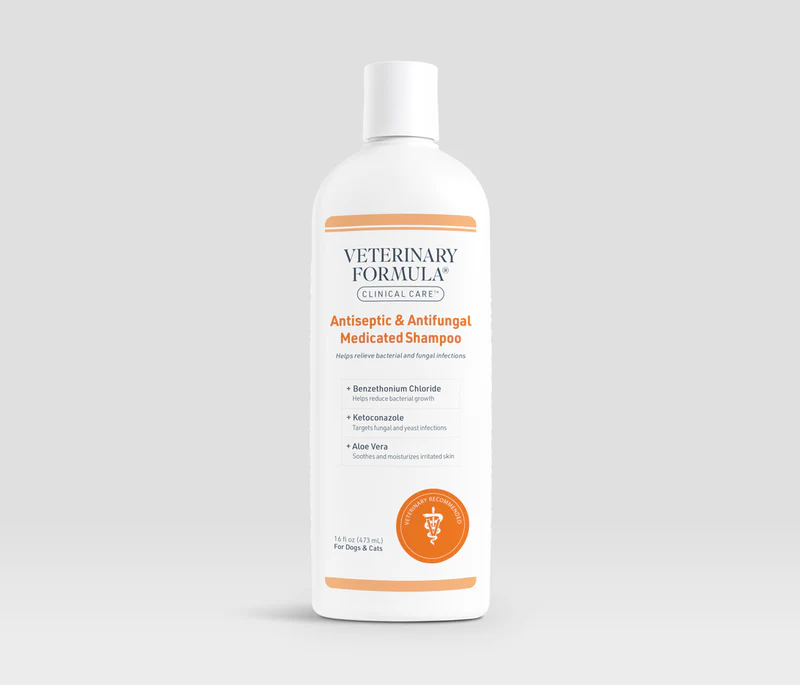

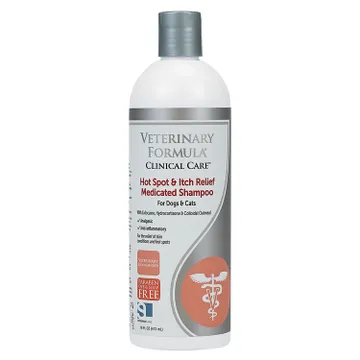
Veterinary Formula Clinical Care
| Skin Concern | Formula to Choose | Why We Use It |
|---|---|---|
| Allergies | Antiseptic & Antifungal (Ketoconazole) | Fragrance-free and designed to calm sensitive skin |
| Yeast / Odor | Antiseptic & Antifungal (Ketoconazole) | Targets fungal and yeast issues; benzethonium chloride helps reduce bacteria; aloe soothes irritated skin |
| Bacterial Skin Issues | Antiseptic & Antifungal (Ketoconazole) | Helps manage scaly or crusted skin |
| Hot Spots | Hot Spot & Itch Relief | Calms localized irritation |
| Parasites / Flaky or Greasy Skin | Antiparasitic & Antiseborrheic | Supports scaling caused by parasitic or seborrheic conditions |
| Ringworm | Antiseptic & Antifungal (Ketoconazole) | Supports fungal skin concerns when used correctly |
Why we trust it:
This is the only medicated shampoo line we consistently use in the shop, except in the case of fleas. The formulas are clearly labeled, effective when used correctly, and widely recommended by groomers and veterinarians alike.
When to Stop Bathing and Call the Vet
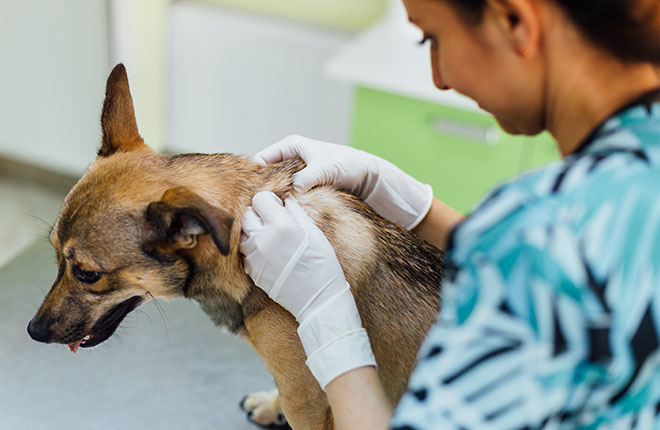
Stop home bathing and contact your veterinarian if you notice:
- Open sores or bleeding
- Rapid spreading of redness or hair loss
- Strong odor that doesn’t improve
- Thickened, darkened, or painful skin
- Itching that worsens after bathing
Bathing should support healing—not delay proper care.
Bathing Mistakes That Make Itching Worse
- Bathing too frequently
- Using undiluted shampoo
- Not rinsing thoroughly
- Using hot water
- Switching shampoos too often
Gentle handling, proper dilution, and consistency matter more than constantly trying new products.
Final Groomer Takeaway
Shampoo alone won’t cure every skin issue—but choosing the right shampoo for the right reason can dramatically improve your dog’s comfort between grooming visits.
When in doubt, consult your vet. When you know the cause, choose accordingly.
Affiliate Disclosure
Some links in this post are affiliate links, which means we may earn a small commission if you make a purchase—at no extra cost to you. We only recommend products we genuinely trust and use in our grooming practice.